

I was working the phones during the legal tampering period, and the tension in the air felt heavy as general managers balked at secondary market asking prices. The chilly reality of the salary cap did not deter front offices from spending early, but it turned the second wave into a waiting game. Now, it is strictly bargain-hunting season.
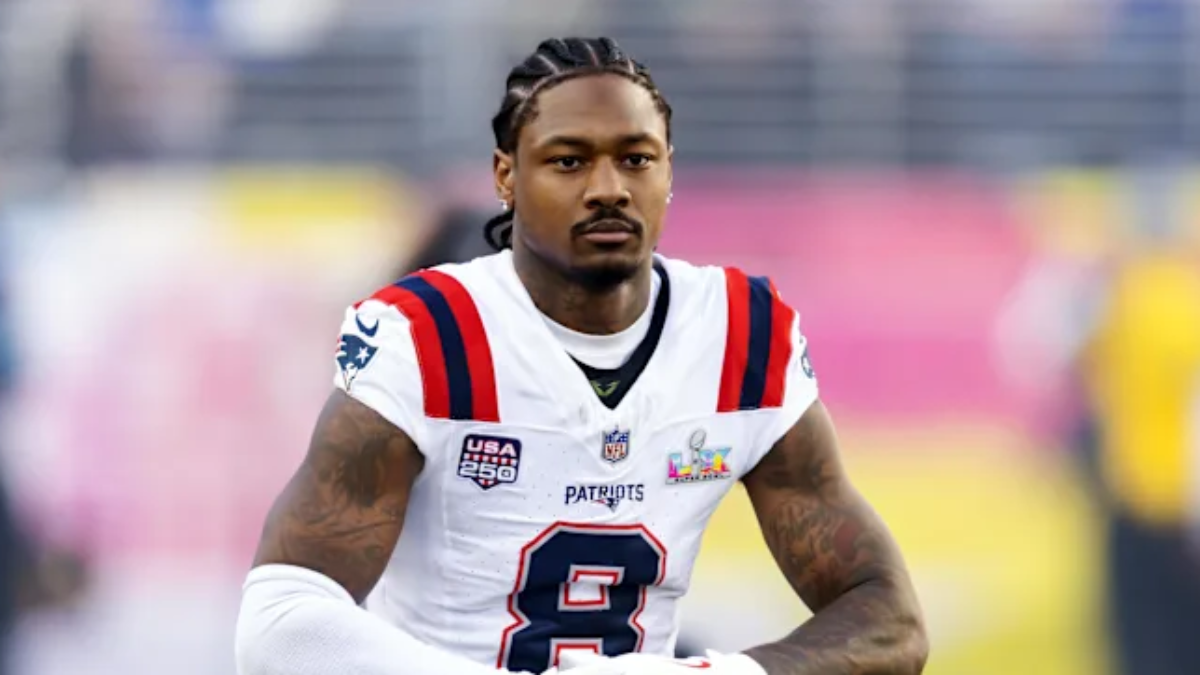
The receiver market completely stalled out this week. Jauan Jennings hit free agency after a career year where he hauled in nine touchdowns, proving he can be a reliable red-zone threat. Teams want him, but nobody wants to pay premium money for a boundary target right before a draft loaded with cheap, rookie pass-catchers. Diggs sits in a similar boat. New England released the 32-year-old to save $16 million. He still posted an 85-catch season in 2025, but front offices view him as a luxury rental rather than a cornerstone piece.
For veterans like Diggs, this phase of the offseason gets incredibly personal. They transition from being the face of a franchise to fighting for a one-year “prove it” deal. It takes a toll on a player’s pride to watch lesser-known names secure massive bags while waiting for the phone to ring. The atmosphere in league circles shifted entirely from aggressive spending to calculated risk management.
“You grind your whole life for that big second contract, and when the market dries up, it tests your patience. The guys left on the board right now aren’t scrubs; they are veterans who know how to win football games. Someone is going to get a massive steal.”
— Anonymous NFL General Manager, Speaking at the 2026 Annual League Meeting
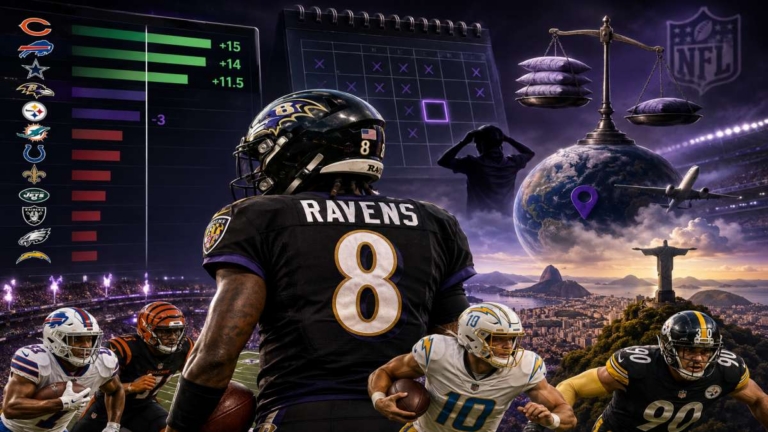
This gridlock directly impacts how teams finalize their 2026 draft boards. Organizations like the Las Vegas Raiders and Buffalo Bills plugged massive holes early. Las Vegas grabbed center Tyler Linderbaum to protect their future franchise quarterback, and Buffalo is actively eyeing edge rushers at pick No. 26. Because these teams addressed immediate needs, they hold all the leverage over the remaining free agents.
Do not expect a rush of signings this week. The remaining talent pool will hold off until after the NFL Draft wraps up in late April. Once teams see which college prospects they missed out on, the veteran market will thaw. If a contender fails to draft a boundary receiver, expect Jennings and Diggs to receive aggressive one-year offers to chase a Super Bowl ring. Front offices have a clear strategy: wait for the draft dust to settle, identify the remaining holes, and strike.