

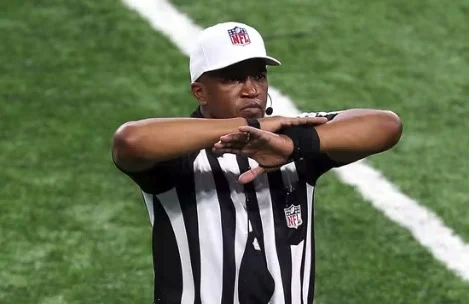
SANTA CLARA, Calif. — The most scrutinized employee at Levi’s Stadium this Sunday won’t be a quarterback. He won’t be a coach. He’s Shawn Smith, a 54-year-old internal auditor from Detroit who spends his weekdays managing risk for a medical insurance firm. Come Sunday, he controls the chaos of Super Bowl LX.
It sounds like a punchline, but it’s the NFL’s stark reality: The multi-billion-dollar shield relies on part-timers to police its biggest stage. Smith, confirmed as the referee for the 49ers-Patriots clash, leads a crew that includes a mix of professionals who—quite literally—have day jobs.
While players chase rings and nine-figure extensions, the men in stripes are moonlighting. According to new CBA figures revealed this week, the average official earns roughly $205,000 annually—a solid paycheck, but a rounding error compared to the athletes they officiate. For Super Bowl LX, Smith and his crew will pocket a bonus estimated between $30,000 and $50,000.
Critics argue this archaic model is a ticking time bomb. “They’ve always been part-time,” says Ben Austro, founder of Football Zebras. “You’ll see lawyers, teachers, entrepreneurs… people who can take time off.”
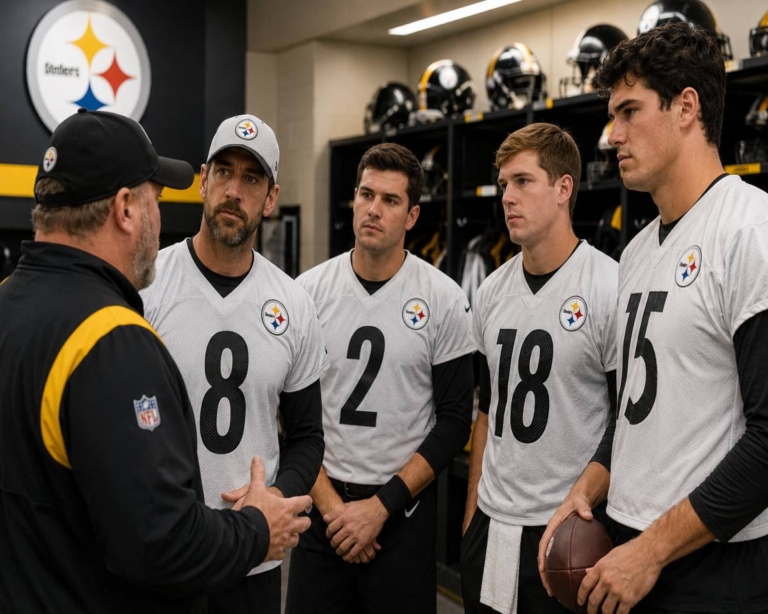
But can a part-time workforce keep up with full-time speed? Aaron Rodgers, now slinging passes for the Steelers, didn’t mince words back in 2023: “It would probably help to have all of them full-time… they’re as scrutinized as the quarterbacks.”
“The refs are the worst… These guys are lawyers. They want to be on TV too. You don’t think he’s texting his friends in the group chat like, ‘Yo, you just saw me on Sunday Night Football?'” — Puka Nacua, Rams WR (fined $25,000 in Dec 2025)
Smith enters this game hoping to wash away the stench of a postseason defined by one play. The Buffalo Bills are still fuming over their Divisional Round exit against the Broncos. The controversy? A Josh Allen overtime pass to Brandin Cooks ruled an interception by Ja’Quan McMillian. While referee Carl Cheffers defended the “process of the catch” ruling, the “incomplete” call wiped Buffalo from the bracket and sent Denver toward the AFC title game.
Smith wasn’t on the whistle for that debacle, but the pressure is now squarely on his crew to restore order. “He’s got good control of the game,” Austro notes. “It instills confidence.”
If Smith’s crew fades into the background, the NFL wins. If a flag decides Super Bowl LX, the calls for full-time officials will turn from a murmur into a roar. With the CBA expiring in May 2026, the league office knows the stakes: A clean game Sunday strengthens their bargaining table. A botched call? It might force the NFL to finally professionalize the zebra stripes.