

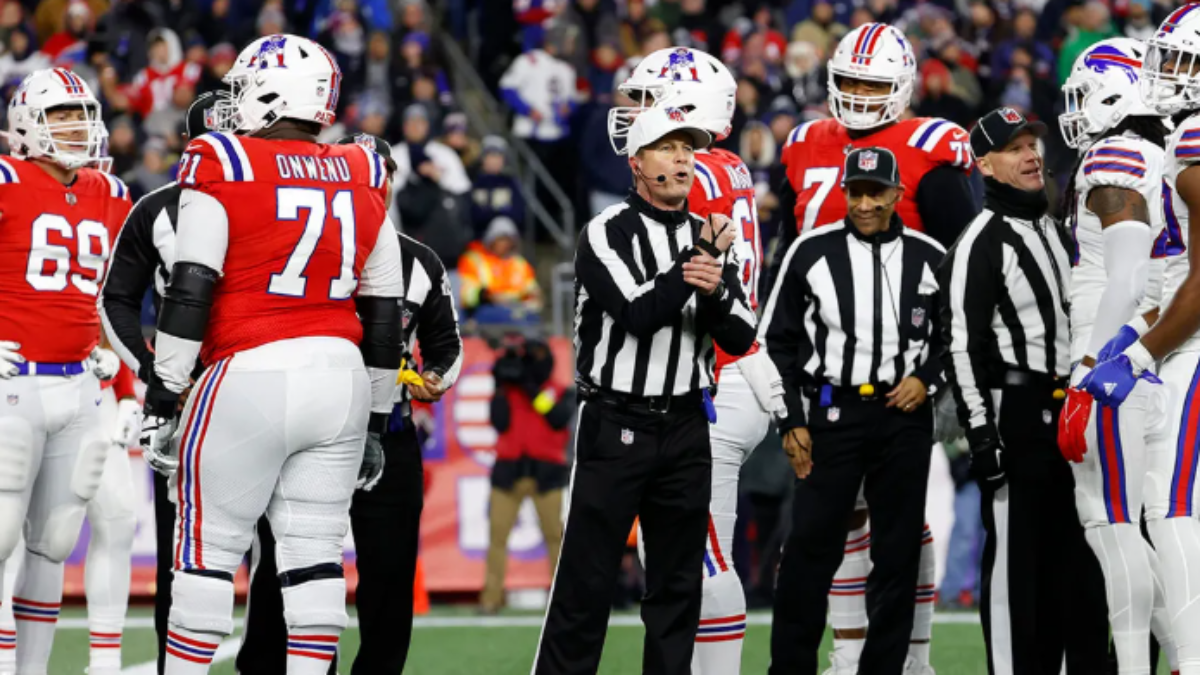
Instead of finding common ground, the two sides are miles apart. The league is already compiling a list of college-level officials, setting a hard start date of May 1 for training. If these new crews hit the practice field, the financial leverage completely flips, leaving the current union out in the cold.
I walked the halls of the Arizona Biltmore during these league meetings. You could slice the tension with a cleat. Owners aren’t just annoyed; they are aggressively preparing for war. The league wants a radical shift toward accountability. They demand a performance-based pay model, the power to flex top-performing referees into the postseason, and an extended probationary period for new officials—jumping from three years to five.
The NFLRA is fighting back hard. Union boss Scott Green and his team walked out of a scheduled two-day bargaining session in under four hours last Wednesday. The union wants to protect seniority and secure massive pay raises that double the rate of player increases under the current CBA. They flatly refuse the league’s push for mandatory offseason training.
“We all remember 2012. You put guys out there who aren’t used to the speed of Sunday, and somebody is going to get hurt, or a season gets ruined. The game is too fast now. You can’t fake it.”
— Veteran NFC Head Coach, speaking anonymously at the League Meetings
Think about a veteran official who spent 15 years mastering the brutal, split-second violence of the pro game. That official now faces a summer lockout over demands for extra practice reps. Meanwhile, a 28-year-old ref currently calling games in the Sun Belt Conference is suddenly staring down the barrel of a prime-time spotlight, tasked with protecting the league’s half-billion-dollar quarterbacks. The sheer panic of that transition is staggering. The chilly reality settling over these Arizona meetings is clear: the league will not blink. They will break the system to force their fix.
This standoff alters the entire trajectory of the 2026 season. If replacement crews take the field in August, every training camp battle and early-season matchup becomes a volatile coin flip. We saw the “Fail Mary” chaos 14 years ago. Now, add the explosive element of legalized sports betting. A single blown pass interference call won’t just cost a team a crucial wild-card spot; it will trigger millions of dollars in swung bets and furious fans.
To survive the storm, the NFL competition committee is prepping a massive safety net. They plan to empower the New York replay center to step in and fix egregious misses by replacement crews—specifically targeting roughing the passer and intentional grounding. But time is out. The May 1 training date is the point of no return. Once the NFL cuts checks to the replacements, the bridge back to the NFLRA burns to ashes.