

The energy inside the Arizona Biltmore felt different this year. You could almost feel the tension in the room when the owners tackled the kickoff. The Competition Committee officially killed the fourth-quarter restriction. If a coach wants to shock the stadium with an onside kick in the first quarter, he just has to declare it. The league also eliminated the bizarre incentive for teams to boot the ball out of bounds from the 50-yard line after a penalty. Now, those touchbacks bring the ball out to the 20-yard line, punishing the kicking team appropriately.
Special teams coaches campaigned hard for these adjustments. The dynamic kickoff format brought fireworks back to the game last year, with return yards skyrocketing past 53,000 total yards in 2025. Now, coordinators get even more tactical freedom. The receiving team only needs five players on the restraining line, down from six, opening up entirely new blocking schemes.
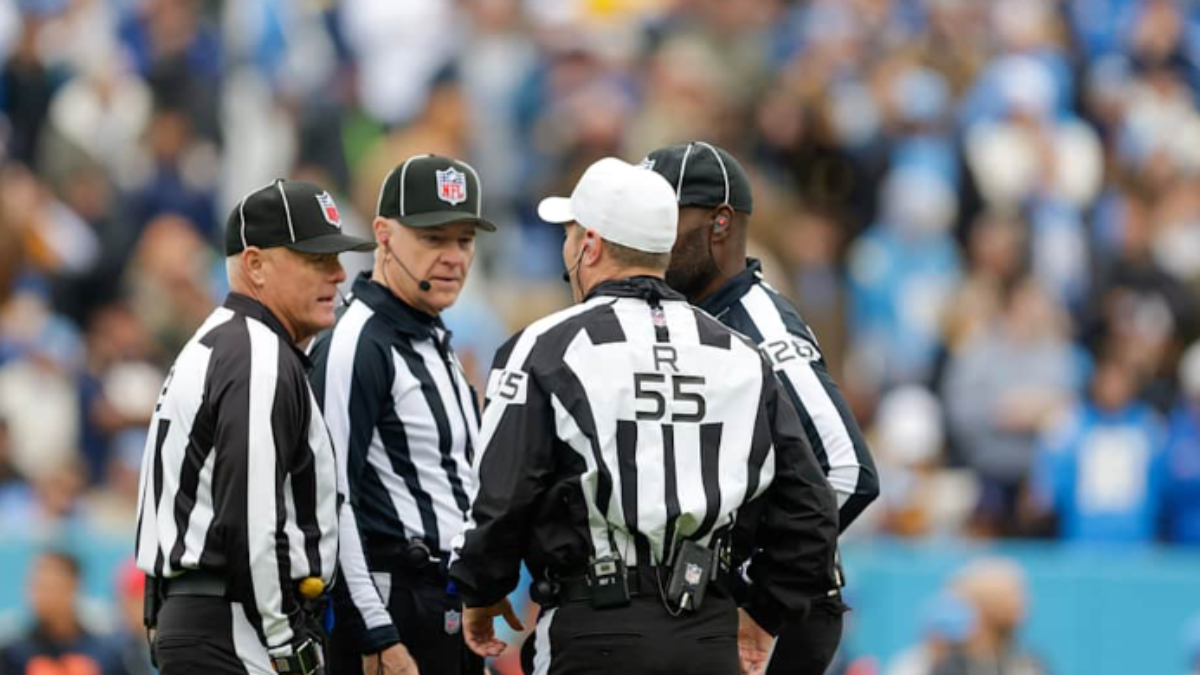
Nobody wanted to say the words “replacement refs” out loud, but the May 31 collective bargaining agreement deadline loomed over the meetings. If the NFL Referees Association walks, the league is ready. Owners approved a one-year contingency plan allowing the officiating department in New York to correct clear and obvious mistakes made by on-field replacement crews.
They also expanded New York’s power for standard games. League personnel can now consult with on-field officials to trigger player ejections for flagrant acts, even if a flag never hits the turf. Think back to last season when players escaped ejections because referees simply missed the extracurricular punches. The league office just closed that loophole.
“We’re going to play football this fall, and we’re going to need officials to do it. This is part of the preparation, and we felt compelled to make these sorts of decisions in anticipation of playing football in a different environment.”
— Jeff Miller, NFL Executive Vice President
These rule shifts radically alter late-game clock management. A head coach trailing by 10 points in the third quarter can now gamble with an onside kick to flip the momentum instantly. Defenses can no longer coast until the final two minutes. Fans sitting in the cold November bleachers won’t be heading for the exits early anymore; the game is truly never over until the final whistle.
The bigger storm hits in late May. If Commissioner Roger Goodell cannot strike a deal with the referees’ union, training camps will open with replacement officials. The expanded replay assist gives the NFL a safety valve to avoid another 2012 “Fail Mary” disaster, but the sheer speed of the 2026 game will test those backup crews immediately. The clock is ticking loudly on negotiations.