

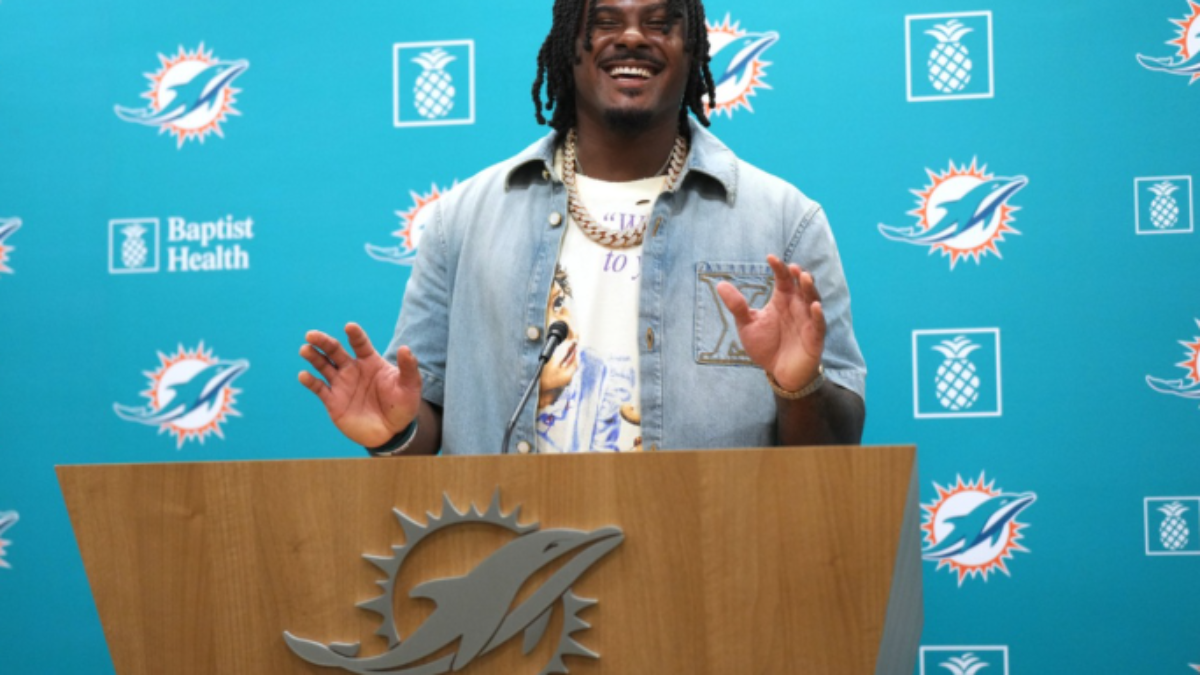
Miami systematically tore the offense down to the studs this offseason. Gone are the familiar faces that defined the passing attack for years. Willis needs reliable targets to move the chains. Right now, Washington stands alone as the solitary holdover with any proven chemistry. I stood on the sidelines during the early throwing sessions last week. You could almost feel the tension in the humid Florida air as Willis looked for open men, only to find hopefuls dropping simple slants. The sweltering heat didn’t deter the die-hard fans pressing against the practice facility fences, but their worried murmurs spoke volumes.
Malik Washington’s journey from a gritty depth piece to the de facto WR1 is inspiring. He fought his way onto the field last season through sheer willpower. But asking him to carry an entire NFL passing attack is a recipe for disaster. Opposing defenses will simply bracket him and dare Willis to throw elsewhere.
“We know what the roster looks like right now. Nobody is hitting the panic button. We have picks, we have a plan, and we are going to get guys who can flat-out fly.”
— Mike McDaniel, Miami Dolphins Head Coach
Expect Miami to aggressively scout the top wideout prospects. They hold multiple early picks this April. If the Dolphins ignore the receiver position in the early rounds, they risk stalling Willis’s development completely. The modern NFL requires explosive, man-beating outside receivers.
Without a true X-receiver, the Dolphins’ offensive formations become predictable. Defensive coordinators will stack the box, play single-high safety, and blitz Willis into submission. Adding a premier talent changes the defensive math completely. It forces safeties to respect the deep boundary, opening up the middle of the field for Washington to operate. This draft isn’t just about adding depth; it is about giving a rebuilding franchise a legitimate shot at weekly survival in a ruthless AFC East.