

Fans hoping for a repeat of the high-octane Friday night openers seen in Brazil and Spain are out of luck. The Sports Broadcasting Act of 1961 remains the undefeated champion of the Friday night time slot. This federal statute protects high school and college football by banning professional broadcasts on Friday nights and Saturdays from the second weekend of September through December.
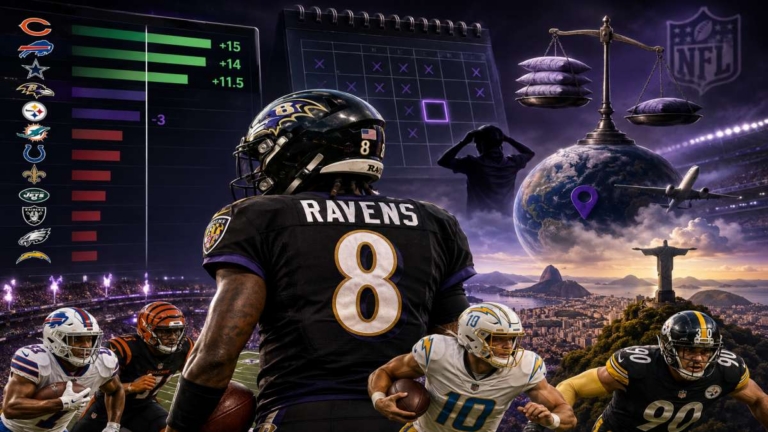
Because the 2026 calendar places the season’s start on Sept. 11, the NFL hit a legal wall. Rather than fight Congress, Commissioner Roger Goodell grabbed the midweek window. The league shifted the Seahawks’ banner-raising ceremony to Wednesday to clear the deck for a Thursday night special: the first-ever regular-season game in Australia. The Los Angeles Rams will “host” the San Francisco 49ers in Melbourne, a game that kicks off Friday morning locally but hits U.S. screens on Thursday night.
“We’re essentially playing a Sunday game on a Wednesday, then watching our rivals play in a different hemisphere the next night. It’s a grind, but that’s the price of being the champs. The fans in Seattle won’t care what day it is when they see that trophy.”
— Mike Macdonald, Seahawks Head Coach
While the schedule is set, the men in stripes are not. The NFL and the Referees Association are currently deadlocked in a bitter labor dispute. League owners are meeting in Phoenix next week to discuss a contingency plan that would allow the New York replay center to fix “clear and obvious” errors made by replacement officials. This move seeks to avoid a repeat of the infamous 2012 “Fail Mary” during the last era of replacement refs. The stakes are higher than ever as the league expands to a record nine international games this season.