

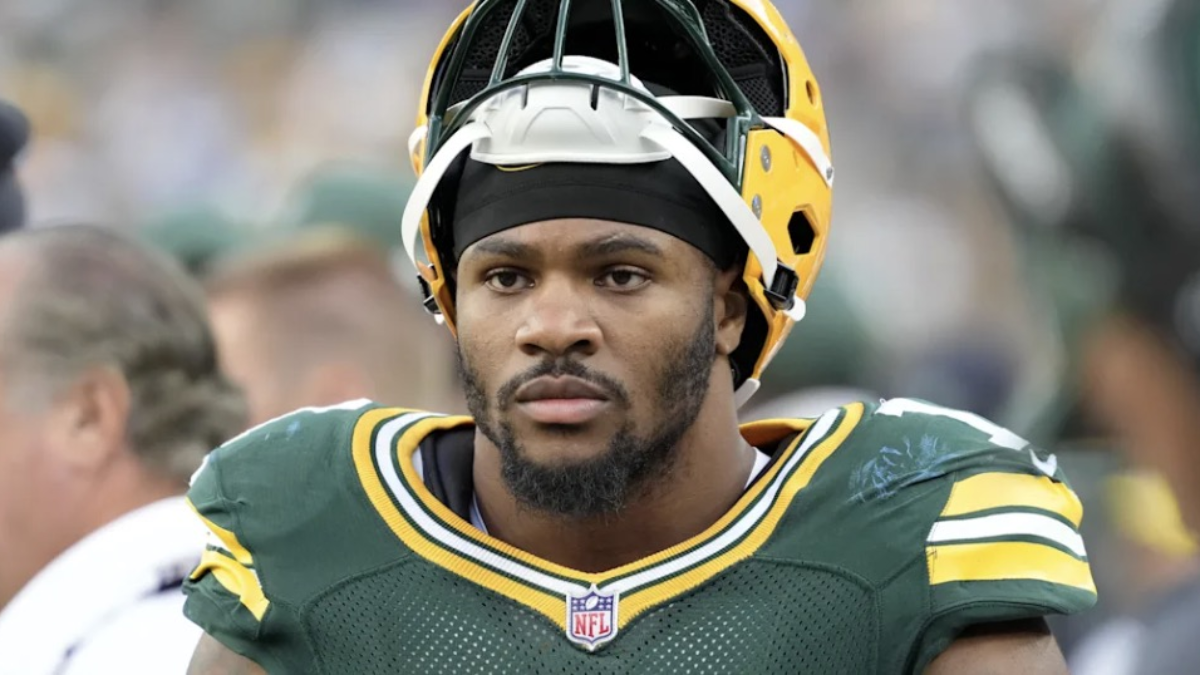
GREEN BAY, Wis. — Micah Parsons didn’t flinch when he stared down 300-pound offensive tackles, but the quiet of an empty training room is breaking his guard. The Green Bay Packers pass rusher dropped 12.5 sacks in his debut season in green and gold before a non-contact misstep against the Denver Broncos on December 14 shredded his left ACL. Now, roughly three months into a grueling recovery, the $188 million superstar is fighting a battle that ice baths and physical therapy can’t cure: the mental drain of isolation.
When Parsons grabbed his knee while chasing Broncos quarterback Bo Nix, the initial adrenaline masked the reality of the long climb ahead. The immediate aftermath brought a flood of texts from teammates, coaches, and fans. But as the 2025 season marched on without him, the noise faded. Parsons isn’t an anomaly in this lonely process. According to Yahoo Sports, a staggering 560 NFL players landed on injured reserve last season. Teams map out every physical milestone meticulously, but the psychological toll of a lost season often goes untreated.
The early shock fades. The surgery hits. Then, you stare at a blank calendar.
“The fear of failure, the fear of letdown,” Parsons told reporters this week. “In an instant, everything’s gone. And sometimes people don’t know how to get back.”
“Y’all don’t see the rehab, the pain, the mental drain it causes. The process can make you lose yourself. This sh-t is real. No matter how much support you get, you still gotta fight that battle alone.”
— Jamal Adams, Veteran NFL Safety
The urgency to address the human side of the helmet carries a heavy weight right now. The NFL community is still reeling from the February 21 death of 25-year-old Minnesota Vikings receiver Rondale Moore, which followed the tragic loss of Dallas Cowboys defensive lineman Marshawn Kneeland in November. Both men lost their lives to suspected suicide. Moore fought through back-to-back season-ending knee injuries, a brutal cycle that alienates players from the locker room brotherhood.
Front offices are finally starting to speak up. San Francisco 49ers general manager John Lynch recently challenged teams to communicate better with their athletes. Washington Commanders head coach Dan Quinn echoed that sentiment at the scouting combine, stressing that the early months of a long-term injury are when players vanish into their own heads.
Parsons felt that sting deeply following Kneeland’s death. He shared a locker room with the rookie in Dallas during training camp before his blockbuster August trade sent him to Wisconsin. The loss forced Parsons to look past the jersey and see the person underneath.
“We live in a pressure job where you’re expected to deliver, and you’re expected to play a certain way. Obviously, it was Marshawn the person that we wish we could’ve been there for him, not Marshawn the uniform. So I’m just trying to be there for people more on the person side than the football side.”
— Micah Parsons, Green Bay Packers
Parsons recently cleared a major physical hurdle, walking on his own at the two-month post-op mark. His body is healing on track for the 2026 kickoff. Yet, his willingness to vocalize his mental hurdles forces the Packers—and the rest of the league—to rethink how they manage injured franchise cornerstones. Green Bay’s defense collapsed late in 2025 without him, missing the consistent edge pressure that originally made them a Super Bowl threat.
Head Coach Matt LaFleur enters a high-stakes 2026 campaign needing a fully healthy Parsons to anchor new defensive coordinator Jonathan Gannon’s aggressive scheme. But rushing the physical return won’t matter if the player isn’t right mentally. For now, the Packers’ front office must ensure their star pass rusher feels just as valued in the rehab pool as he does sacking the quarterback on Sundays.