

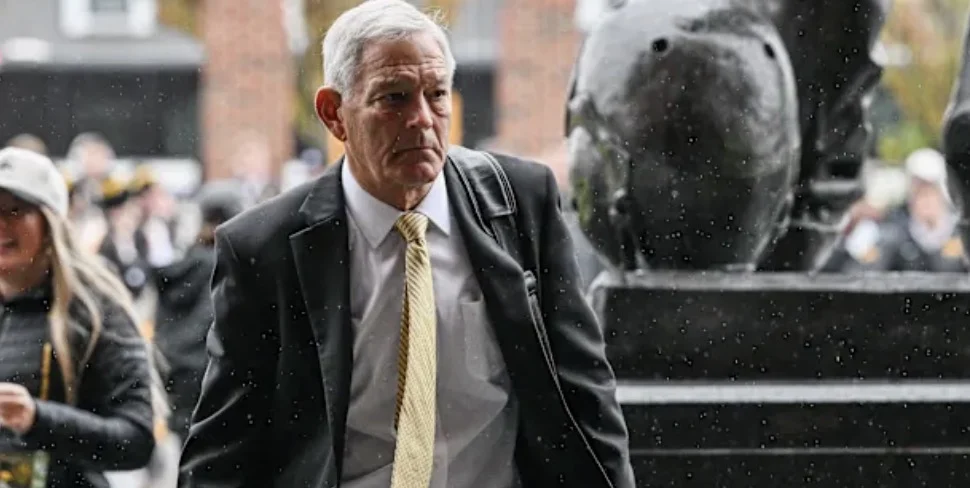
IOWA CITY, Iowa — Kirk Ferentz isn’t mincing words. The veteran Iowa Hawkeyes head coach looks at the current state of college football rules and sees total anarchy. Following the dust of the 2025 House v. NCAA settlement, the sport shifted into a direct revenue-sharing model. Fans expected balance. Coaches got a headache.
You can hear the exhaustion in his voice. Nearly three decades prowling the sidelines at Kinnick Stadium, and the long-tenured coach now finds himself acting more like a Wall Street broker than a football mentor. He misses the hard boundaries of the professional ranks.
Ferentz built his massive $7.1 million-a-year contract extension—running through 2029—on consistency and punishing defense. Look back at their 2024 campaign. Iowa finished 9-4, capping the year by grinding out a 34-27 win over Vanderbilt in the ReliaQuest Bowl to secure the No. 23 spot in the final AP Top 25.
They achieved that with a defensive unit that operated like a brick wall. The Hawkeyes smothered opponents, giving up just 16.1 points per game (eighth nationally) and allowing a measly 280.4 total yards per game. They had a clear identity on the field. Off the field, however, the sport’s identity crisis is driving Ferentz up the wall.
“Six years of experience in the NFL, and a lot of things I don’t miss about the NFL, but one of the things I miss is the clarity in terms of expectations and what the rules are. Basically, all 32 teams operate by the same set of rules. As we’ve evolved into the revenue sharing, which I thought was a worthy and needed step, we’re sitting in a quagmire. Just garbage. It’s so cloudy, it frustrates me not knowing what’s real. In the NFL, it’s very clear, there’s a ceiling, and there’s a basement — you have to be somewhere in between. There’s no [expletive] to it, and there’s transparency, too.”
— Kirk Ferentz, Iowa Head Coach
Ferentz spent six seasons in the NFL coaching trenches with the Cleveland Browns and Baltimore Ravens. He knows what a functioning salary cap looks like. The NFL operates under a unified Collective Bargaining Agreement (CBA). Front offices know their exact spending ceiling and the required floor.
College football in 2026 lacks that structural integrity. The 2025 House settlement opened the floodgates for direct revenue sharing and relaxed Name, Image, and Likeness (NIL) guardrails. Instead of leveling the playing field, it forced individual schools to interpret the financial rules on the fly. Coaches are recruiting blindfolded, unsure of what rival programs are actually spending or promising.
This financial fog directly impacts how teams construct their rosters for the upcoming 2026 season. Programs like Iowa, which rely heavily on talent development and program culture, face a massive disadvantage against schools operating with blank checks and zero transparency. Unless the NCAA and conference commissioners establish a binding framework similar to the NFL’s CBA, the gap between the haves and the have-nots will only widen. Ferentz is signaling a clear warning: without a salary cap and strict enforcement, the sport risks alienating the very coaches who built its foundation.