

SANTA CLARA, Calif. — The New England Patriots are back. Seven years after their last Lombardi Trophy, and for the first time without the hooded shadow of Bill Belichick on the sideline, the Patriots have punched their ticket to Super Bowl 60. Their opponent? The Seattle Seahawks, setting the stage for a heavyweight rematch of that goal-line thriller in Super Bowl XLIX.
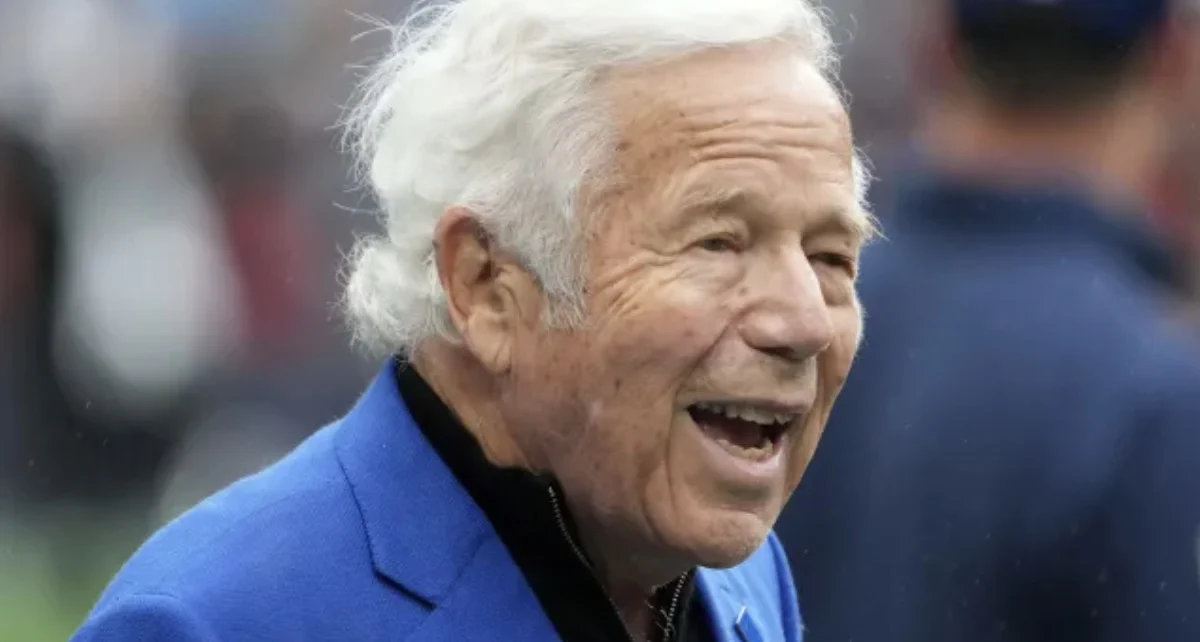
But while the cameras at Levi’s Stadium are trained on the players, the real story sits in the owner’s box. A win on Sunday wouldn’t just be a seventh ring for New England; it would be the crowning jewel of Robert Kraft’s 32-year ownership—a tenure that began not with a dynasty, but with a “hairy loan” and a franchise on the brink of moving to St. Louis.
Long before the confetti and the duck boats, Robert Kraft was grinding in the paper business. A 1963 Columbia graduate with a Harvard MBA, Kraft cut his teeth at the Rand-Whitney Group, a Worcester-based packaging firm run by his father-in-law. He didn’t just work there; he took it over in 1968 and still chairs the board today.
His real wealth explosion came in 1972 when he founded International Forest Products. The company, a trader of physical paper commodities, grew into a global powerhouse, cracking the top 100 U.S. exporters list by 1997. Kraft also showed a sharp eye for media, flipping a $25 million profit on his shares in New England Television Corp. in 1991.
That cash flow set the table for the most important purchase in New England sports history.
In 1994, the Patriots were a financial black hole. The previous owner, James Orthwein, was ready to pack the team’s bags for St. Louis. Enter Kraft. He had already checkmated the organization by buying Foxboro Stadium out of bankruptcy for $25 million and securing the surrounding parking lots, effectively holding the team hostage in Massachusetts.
Kraft paid $172 million for the franchise—a record for an NFL club at the time. It was a staggering sum for a team losing money in a decrepit stadium. He even outbid Stan Kroenke (now the Rams owner), who had a $200 million offer on the table contingent on moving the team.
“Robert came over to my office a few days before closing, an hour before D-hour and said, ‘I need more.’ … It was a hairy loan, no question about it. But if you believe in people, you do it.” — Chad Gifford, former Bank of Boston Chairman
That “hairy loan” paid off. The franchise that cost $172 million is now worth an estimated $9 billion, ranking as the fourth-most profitable team in the league. Kraft himself sits on a net worth of $13.8 billion.
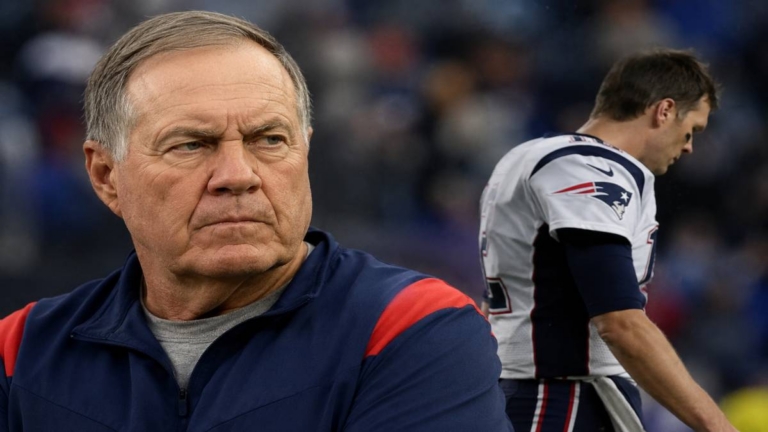
The narrative this week has been about the “new era” Patriots. No Brady. No Belichick. But the constant remains Kraft. His ability to pivot from the greatest coach in history and rebuild a championship contender in under a decade defies the NFL’s cycle of parity. Most teams spend decades in the wilderness after a dynasty crumbles (ask the Cowboys or the 49ers post-Young). Kraft’s Patriots retooled and returned in seven years.
Sunday isn’t just about legacy; it’s about the future of the AFC. A victory validates the post-Belichick rebuild and cements Kraft’s status as the architect of the modern NFL model. A loss to Seattle, however, would be a bitter bookend to the rivalry started in 2015. With kickoff less than 24 hours away, the $172 million gamble looks like the safest bet in sports history.
| Rank | Owner | Team | Net Worth |
|---|---|---|---|
| 1 | Rob Walton & family | Broncos | $119.4 B |
| 2 | David Tepper | Panthers | $23.7 B |
| 3 | Stanley Kroenke | Rams | $21.3 B |
| 7 | Robert Kraft | Patriots | $13.8 B |