

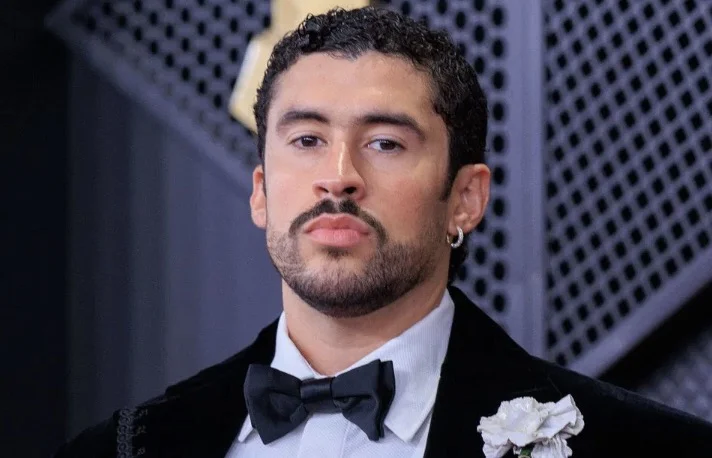
SANTA CLARA, Calif. — The signage around Levi’s Stadium screams “Super Bowl LX,” but the conversation in the Bay Area has drifted far from the hash marks. While the New England Patriots and Seattle Seahawks prep for a clash of 14-3 titans this Sunday, the real collision course is happening off the field.
It’s the NFL versus its own headliner.
Just days after Bad Bunny turned the Grammy Awards into a political rally with a fiery “ICE Out” declaration, Commissioner Roger Goodell issued what sounded like a final, albeit polite, warning. The league wants unity. Bad Bunny wants change. And with 100 million eyes set to tune in on February 8, the halftime show has suddenly become the most volatile quarter of the game.
Goodell addressed the elephant in the room during his annual state-of-the-league presser on Wednesday. He didn’t mention the President’s tweets or the DHS warnings explicitly, but the subtext was louder than a jet flyover.
“Bad Bunny is one of the great artists in the world. That’s one of the reasons we chose him,” Goodell said, keeping his tone measured. “The other reason is he understood the platform and that this platform is to bring people together with their creativity… I think Bad Bunny understands that.”
The translation? Stick to the setlist.
But sticking to the script isn’t exactly Benito’s brand. The Puerto Rican superstar, fresh off becoming the first Latin artist to win Album of the Year, used his Grammy acceptance speech to torch the administration’s immigration enforcement surge.
The friction point isn’t just the music; it’s the message. Bad Bunny’s Grammy speech is still trending across social platforms, serving as a prelude to what many fear—or hope—might happen at halftime.
“I’m going to say, ICE out. We’re not savage. We’re not animals. We’re not aliens. We are humans, and we are Americans… If we fight, we have to do it with love.” — Bad Bunny, 68th Annual Grammy Awards
That speech drew a sharp rebuke from the White House. President Trump, who had already dismissed the halftime choice as “ridiculous” back in October, confirmed he would skip the game entirely, citing his distaste for both the headliner and the opening act, Green Day.
The tension has bled into the logistics of the event itself. With rumors swirling about immigration raids targeting fans, NFL Chief Security Officer Cathy Lanier attempted to put out the fire during a Tuesday briefing.
“There are no planned ICE or immigration enforcement operations that are scheduled around the Super Bowl,” Lanier stated firmly. She emphasized that the federal presence is standard for a SEAR 1 event, comparable to the Olympics.
However, the mixed messaging from Washington complicates the narrative. DHS Advisor Corey Lewandowski previously declared on a podcast that the Super Bowl would be no “safe haven” for undocumented individuals, promising swift apprehension and deportation. While DHS officials have reportedly backchanneled assurances to local law enforcement that raids are off the table, the public silence from the Department has left a cloud of uncertainty hanging over Levi’s Stadium.
Inside the locker rooms, players are trying to keep the noise out. The Seahawks, riding the arm of a resurgent Sam Darnold, and the Patriots, led by second-year phenom Drake Maye, have deflected questions about the halftime drama all week.
“We love Benito, man. His music bumps in the weight room every day. But honestly? I’m just trying to read coverages. Once that whistle blows, the only thing that matters is the scoreboard.” — Jaxon Smith-Njigba, Seahawks WR
The stakes couldn’t be higher. On one side, you have the NFL machine, desperate for a seamless, apolitical spectacle to cap off a record-breaking season. On the other, you have the world’s biggest pop star, who has already proven he won’t be silenced by a contract or a commissioner.
When the lights go down at halftime on February 8, the world won’t just be watching a performance. They’ll be watching for a standoff.