

WASHINGTON D.C. — The remote control feels heavier than ever. You sit down on a Sunday, ready to watch Patrick Mahomes throw rockets, only to realize the game is trapped on a platform you do not own. Washington finally noticed. Yesterday, the federal government fired a massive warning shot, launching an official FCC sports streaming inquiry to investigate the spiraling costs of simply being a fan.
I sat next to a die-hard Kansas City Chiefs fan at a local pub last month. He slammed his fist on the sticky wooden table—not because of a bad penalty, but because he needed three different apps just to watch the postseason. That exact frustration just reached the highest levels of the federal government.
FCC Chairman Brendan Carr dropped the hammer on Wednesday. He officially opened the floor to the public, asking how the relentless shift from free broadcast television to paid streaming services impacts the average consumer. Fans are bleeding cash. The FCC cited estimates suggesting it could cost a consumer over $1,500 just to watch every NFL game this season. Forbes pegged that number slightly lower at $765, but the financial sting remains brutal.
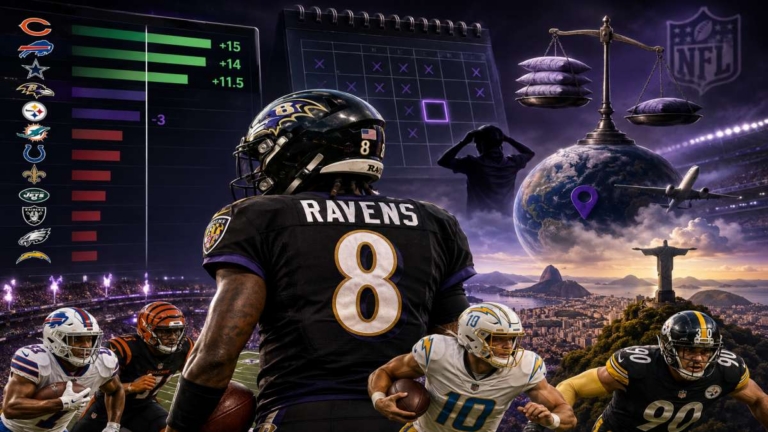
Just look at where the NFL scattered its games last season:
“For decades, Americans enjoyed turning on their TV & quickly finding the game they wanted to see. Yet watching your favorite team play isn’t as easy these days. We want to understand the marketplace today, the experience of consumers…”
— Brendan Carr, FCC Chairman
This is not just political grandstanding. This inquiry directly threatens the foundation of the 1961 Sports Broadcasting Act. That specific legislation grants leagues like the NFL, NBA, NHL, and MLB highly lucrative antitrust exemptions—but strictly for traditional broadcast television. Federal courts already ruled this exemption does not cover modern streaming platforms.
Last year, the House Judiciary Committee started demanding briefings on whether these leagues still deserve those protections while they lock prime matchups behind paywalls. The NFL aggressively defends its model, telling the Associated Press that 87% of its games still air on free broadcast television. But as the NBA tips off the first season of an 11-year mega-deal heavily featuring Peacock and Amazon Prime Video, lawmakers are losing patience.
The clock is ticking. The public has until March 27 to flood the FCC with comments, with official replies due by April 13. If you ever wanted to complain about needing a spreadsheet to find Thursday Night Football, Washington is finally taking your calls. The major sports leagues are officially on defense.