

CHICAGO — The Arizona Cardinals want Tyson Bagent. Just months after the Chicago Bears locked up their prized backup to a two-year, $10 million extension, Arizona’s new head coach Mike LaFleur is reportedly knocking on the door. With Kyler Murray carrying a crippling $52.6 million cap hit and his future in the desert looking bleaker by the day, 98.7 FM Phoenix’s John Gambadoro dropped the bombshell: the Cardinals see Bagent as a legitimate answer under center.
The NFL is starving for capable quarterbacks. Analysts agree the incoming 2026 draft class lacks top-tier franchise arms, pushing desperate teams toward the trade market. You can almost feel the tension radiating from the Bears’ front office right now. Halas Hall holds a winning lottery ticket, but cashing it in means walking a tightrope without a net.
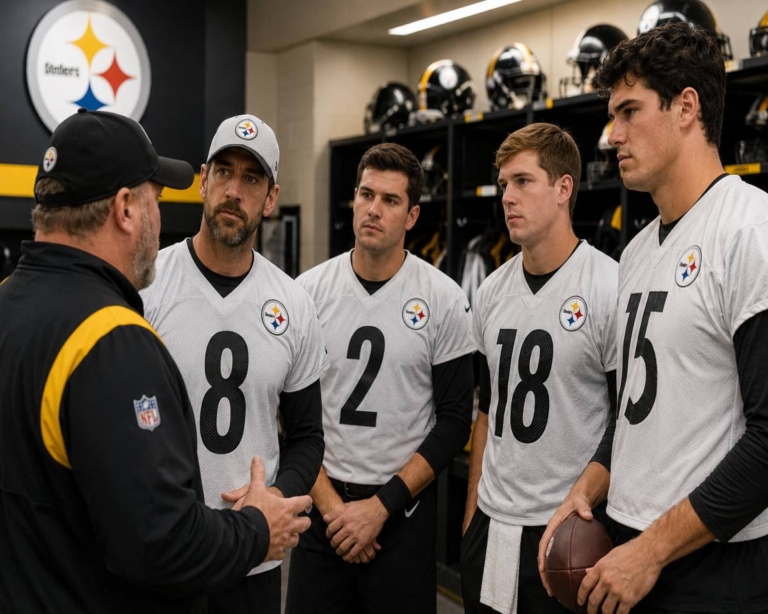
Ben Johnson built a juggernaut offense in Chicago, and he relies heavily on Bagent to anchor the quarterback room behind Caleb Williams. Williams owns the starting job. He is the unquestioned face of the franchise. But NFL history proves that a reliable backup is the ultimate insurance policy. If Williams goes down, Johnson knows Bagent can run his highly complex system.
Bagent earned every penny of his extension. He went from grinding out reps as an undrafted free agent against the Colorado School of Mines to shredding NFL defensive units when called upon. Arizona needs that exact skill set. LaFleur runs an offense demanding quick processing and pinpoint timing—traits Bagent possesses in spades. But prying him away from Chicago will cost Cardinals general manager Monti Ossenfort heavily.
Drafting a backup to be a starter isn’t a new strategy. Teams take the leap, and the results usually reward the risk. Matt Hasselbeck and Matt Schaub evolved into Pro Bowlers. Jimmy Garoppolo dragged the 49ers to a Super Bowl. Jacoby Brissett forged a decade-long career as a dependable starter. The lone disaster? Arizona’s own 2011 trade for Kevin Kolb.
Compensation dictates the market. Look at the receipts from the past two decades:
If Arizona wants Bagent, conversations start with a 2nd-round draft pick. The Bears hold all the leverage. They do not have to sell.
“Tyson epitomizes what we are building at the Chicago Bears. He is one of the hardest workers on our team. We are constructing a team that is driven by belief and built by hard work, and there is no better example of that than Tyson Bagent.”
— Ben Johnson, Chicago Bears Head Coach
A trade reshapes both franchises immediately. For Arizona, landing Bagent signals the official end of the Kyler Murray era. LaFleur gets a young, affordable quarterback who fits his offensive DNA, allowing the Cardinals to use their premium draft capital on rebuilding a fractured roster instead of reaching for a rookie signal-caller.
For Chicago, trading Bagent is a massive gamble. Caleb Williams plays a physical, improvisational brand of football. If he takes a bad hit, the Bears’ Super Bowl aspirations vanish without a competent backup waiting in the wings. However, general manager Ryan Poles understands asset management. Turning an undrafted free agent into a top-50 draft pick is brilliant business. That extra 2nd-round pick could translate into an elite offensive lineman or a pass rusher to maximize Williams’ championship window. Free agency opens in a matter of weeks, and the Cardinals must make their move before another quarterback-needy team beats them to the punch.