


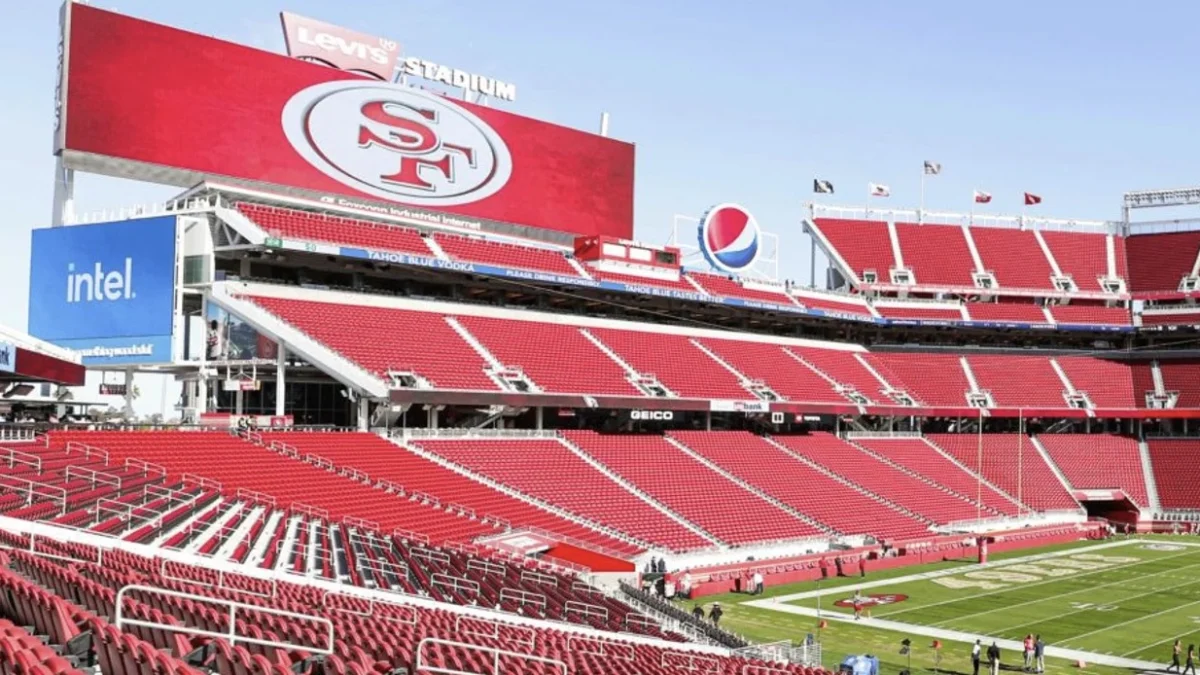
SANTA CLARA, Calif. — The stage is set for a historic rematch. On Sunday, Feb. 8, the New England Patriots and Seattle Seahawks will clash in Super Bowl LX, reviving a rivalry that gave us one of the wildest finishes in NFL history a decade ago. But while the teams prep for war on the field, Levi’s Stadium is launching a different kind of offensive in the concourses: a massive, AI-powered sustainability operation designed to change how 120 million global viewers think about waste.
The Game Within the Game: Crushing Waste
Levi’s Stadium, home of the San Francisco 49ers, isn’t just hosting the championship; it’s the testing ground for the NFL’s most aggressive recycling protocol yet. The headline act? A closed-loop system that could kill the disposable plastic cup for good.
Starting this Sunday, thousands of fans in select seating areas will drink from durable, reusable vessels rather than single-use plastics. This isn’t a pilot—it’s a full-scale deployment following a successful preseason trial in August 2025 that already diverted 32,000 cups from landfills. Fans return the cups to designated bins, where Bold Reuse and hospitality giant Levy collect, sanitize, and redistribute them. It’s a circular economy happening in real-time between touchdowns.
But the tech goes deeper. PepsiCo is deploying “Oscar Sort” units—interactive, AI-driven recycling systems. These aren’t your standard blue bins. The AI identifies the trash in your hand and directs you exactly where to throw it, removing the guesswork that usually leads to contaminated recycling streams. With 200 additional collapsible bins and “Green Team” staff flooding the zones, the defense against landfill waste is as tight as the Seahawks’ secondary.
“Sustainability is truly a team sport… Advancing reuse requires collaboration and a systemic shift to help make the reusable option the most convenient and accessible option for consumers.” — Burgess Scott Davis, SVP & Chief Sustainability Officer, PepsiCo North America
Beyond the Box Score: The Bay Area Legacy
The final whistle on Sunday won’t end the operation. The NFL has committed to a “green legacy” for the Bay Area that extends well past the trophy presentation. The league plans to donate unused food and materials to over 30 local organizations, including food banks and schools. Last year, post-game donations topped US$800,000—a figure organizers expect to shatter this week.
This isn’t just PR fluff. The data from Levi’s Stadium regarding fan compliance with the AI sorters and cup return rates will dictate how future Super Bowls—and potentially the 2026 World Cup venues—handle the millions of tons of waste generated by live sports annually.
Matchup Context: Pats vs. Hawks II
While the sustainability teams run the concourses, the action on the field promises fireworks. The Patriots return to the big stage looking to reclaim the dynasty mantle, while Seattle aims to erase the memory of the “goal-line interception” from Super Bowl XLIX. With the reusable cup initiative in full swing, the only thing getting thrown away on Sunday should be bad passes.


