

JACKSON, Miss. — The check just got a whole lot bigger in the Magnolia State. The Mississippi House passed a groundbreaking Mississippi NIL tax exemption bill this week, setting the stage for college athletes to keep the full value of their endorsement money. No state income tax. No cuts. Just straight cash for players at Ole Miss and Mississippi State.
You could practically hear the collective groan from recruiting coordinators in Tuscaloosa and Athens when the gavel dropped in Jackson. In the hyper-competitive SEC, this is a nuclear weapon. Arkansas passed a similar law in 2025. Texas, Florida, and Tennessee already operate without a state income tax. Now, Mississippi wants a seat at the tax-free table. State Representative Trey Lamar pushed the bill through, stating clearly that Mississippi schools need this to survive the modern college football arms race. But while politicians debate the economics, former MVP Cam Newton sees a deeper ripple effect.
Newton recognizes the immediate advantage for college programs, but his mind immediately went to the next generation of recruits. With top-tier prospects commanding massive paydays before they even attend their senior prom, the tax laws of a specific state suddenly dictate family decisions.
Mississippi currently prohibits high school NIL—a bill to legalize it quietly died in committee last month. But as national trends shift and neighboring states open the vault, Newton knows families are doing the math.
“Most states now are making it able for high school students to start to take on NIL money. So what does that look like if I’m a parent and my child is in school and I’m dictating where he or she goes based off taxes? When you see a $2 million check… what you supposed to be getting snipped at might not always get snipped at. Two million really is one sometimes. But with no taxes…”
— Cam Newton, Former NFL MVP
Not everyone in Jackson loves the idea. Representative Dan Eubanks openly questioned during the debate why athletes get special tax treatment while regular state employees pay their share. It is a fair financial question, but college football does not operate on standard logic.
Ole Miss quarterback Trinidad Chambliss is reportedly staring down a $5 million revenue-share and NIL package for the 2026 season. Shaving the state income tax off that number keeps hundreds of thousands of dollars in his pocket. Newton laughed off the political resistance, pointing out a simple truth about the region.
“For the people who don’t understand football in the South, that’s the question they ask. But since the beginning of time, football in the South has been almost like a religion.”
— Cam Newton
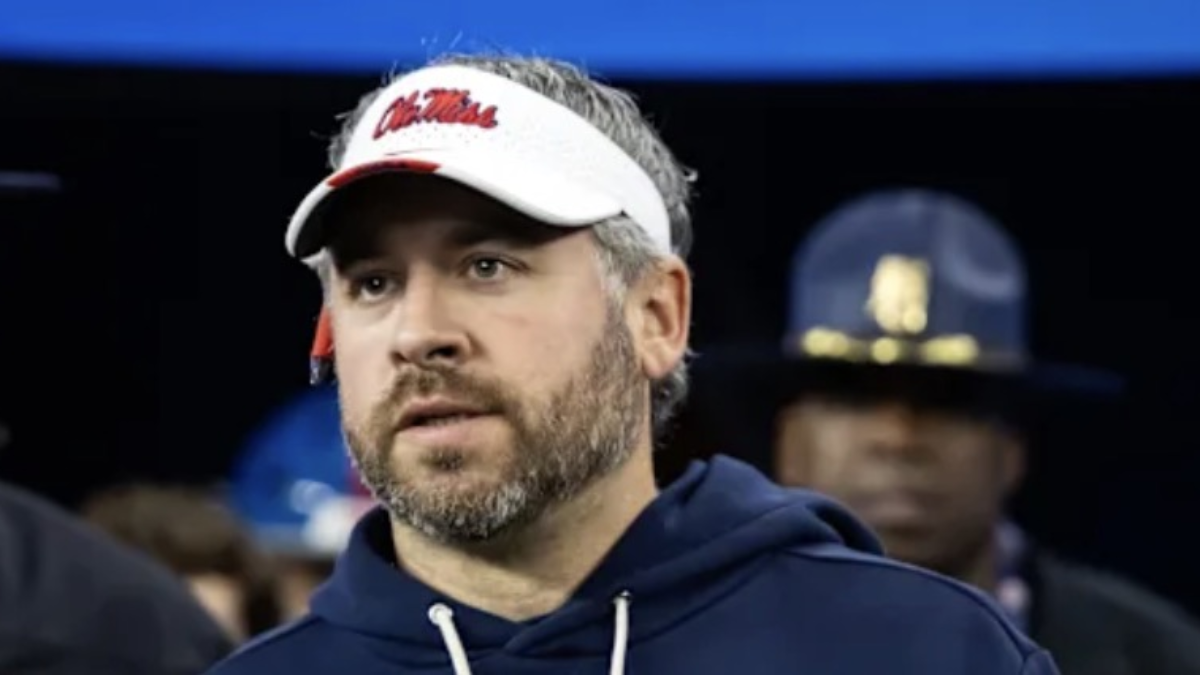
If the Mississippi Senate clears this bill and Governor Tate Reeves signs it, the balance of power shifts entirely. Lane Kiffin and Jeff Lebby will walk into living rooms across the country with a distinct financial pitch: We pay you, and the state does not touch it.
Expect immediate pressure on SEC schools in states that still tax NIL earnings—like Georgia, Alabama, and LSU. They will have to either lobby their own state legislatures for identical exemptions or convince boosters to drastically increase their collectives just to cover the tax difference. The 2026 recruiting trail just turned into an accounting war, and Mississippi is arming its coaches to the teeth.